About :
We are a team of passionate people who love what we do and care about hearing health. Our vision is to ensure children and adults have access to good hearing services to achieve their full potential in life. We are experienced audiologists who are registered full members of the New Zealand Audiological Society (MNZAS). Since graduating from the University of Auckland, we have both worked in a large audiology company in several clinics around Auckland. We have worked extensively with adults, children, and in specialised areas of audiological testing. We both have experience as clinic managers and supervisors. As independent audiologists, we aim to provide the best quality of care for every person and every family, ensuring that our clinical decisions and recommendations are best for you.
Why professional ear wax removal in Auckland is important for lasting hearing health
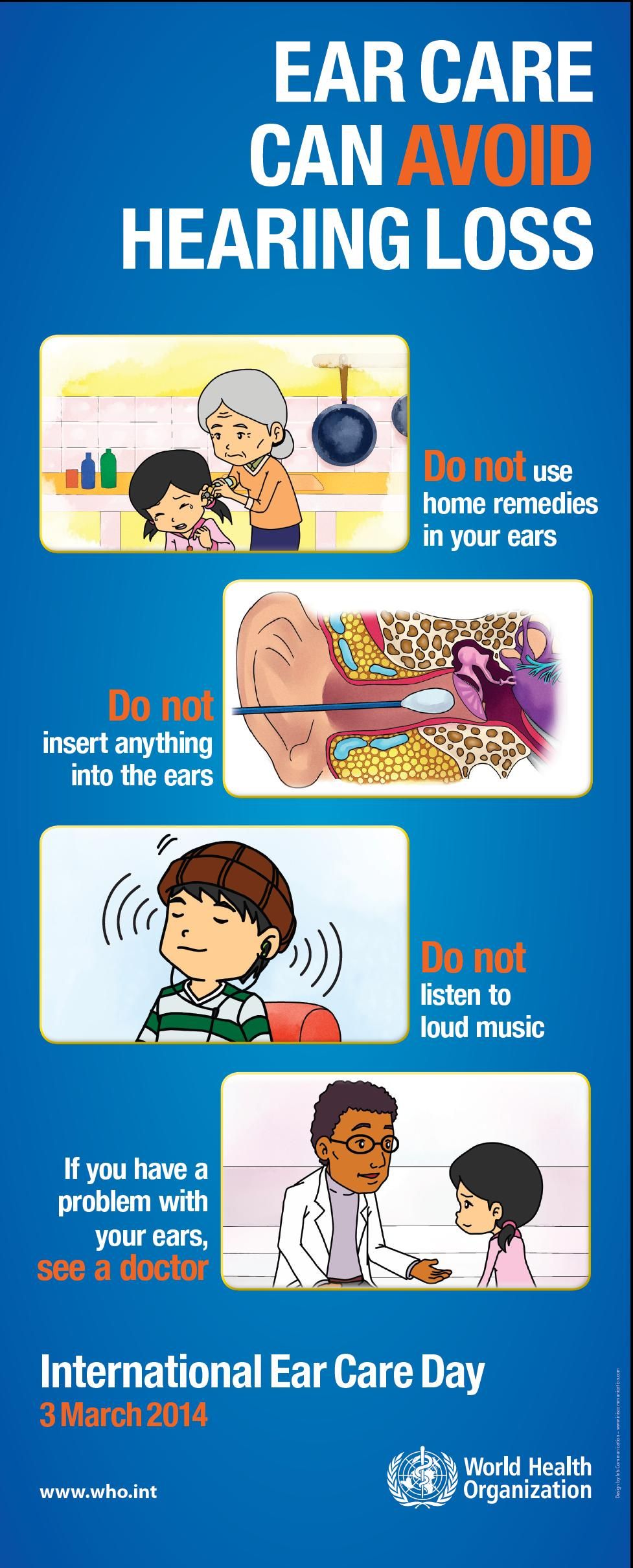
Impacted ear wax can reduce hearing, cause tinnitus, dizziness, or discomfort and sometimes lead to infection. While the ear creates wax to protect the delicate canal and eardrum, buildup becomes a medical issue when it blocks sound or traps water and bacteria. For residents of Auckland, access to trusted, local audiology services is crucial because improper home removal techniques—cotton buds, hairpins, or pressurised water—can push wax deeper, damage the eardrum or create a chronic problem requiring specialist care.
Professional removal not only clears hearing but also provides a comprehensive assessment. A trained audiologist performs otoscopy to determine the cause and extent of the blockage, differentiating between mere wax accumulation and other conditions such as otitis externa, perforation or middle ear disease. This diagnostic step is essential because treatment varies: some ears respond to gentle irrigation, others to micro-instrumentation, and some are safest with microsuction under direct vision.
Choosing an audiologist ensures personalised aftercare and prevention advice. Instructions about ear hygiene, avoiding risk factors like frequent swimming without protection, and safe use of hearing devices are given based on an individual’s lifestyle. For families in Auckland, early intervention for children is especially beneficial; clearing wax promptly supports speech development and school performance. Prioritising professional care safeguards long-term auditory function and helps maintain quality of life.
Safe, effective removal techniques used by Auckland audiologists
There are three primary, evidence-based methods for removing ear wax in clinical practice: microsuction, irrigation (or syringing) and manual removal with fine instruments under direct vision. Each method has strengths and indications. Microsuction uses a gentle suction device and a binocular microscope to visualise and extract wax in small, controlled steps. It is fast, precise and often preferred for patients with perforations, grommets, recent ear surgery or those at higher risk of complications from irrigation.
Irrigation employs warm water delivered at controlled pressure to flush wax from the canal. When performed by experienced clinicians with appropriate equipment and pre-assessment, irrigation can be very effective for soft or recently softened wax. Manual removal with curettes or forceps is chosen when wax is hard and adherent but clearly visible and reachable; this technique requires steady hands and direct visualisation for safety.
Prior to procedure selection, thorough assessment includes ear inspection and, if needed, tympanometry or basic audiometry to ensure safety. Many Auckland clinics recommend pre-softening drops for a few days to improve outcomes, particularly for older adults or those with longstanding impaction. Infection control protocols, patient comfort measures and clear communication about risks are standard practice. When choosing a provider, seek clinicians registered with recognised bodies and who offer clear pathways for follow-up care. For a reliable local option, consider contacting Ear Wax Removal Auckland to learn about available techniques and booking details.
When to seek help, real-world examples and practical aftercare
Seek professional assessment if hearing loss appears suddenly, hearing remains muffled after home remedies, pain, discharge, bleeding, dizziness or persistent ringing occurs. Children who show signs of inattentiveness, delayed speech or ear discomfort should be assessed promptly. Real-world examples emphasise the value of timely care: a child misdiagnosed with behavioural issues was found to have unilateral wax blockage; after safe removal, concentration and classroom performance improved noticeably. An elderly patient with progressive hearing impairment regained confidence in conversations after microsuction that revealed dense cerumen impaction previously obscuring hearing aid function.
Aftercare focuses on prevention and safe maintenance. Recommendations often include avoiding cotton buds, using only approved ear drops for softening when indicated, and wearing ear protection when swimming. For hearing aid users, routine checks and tailored cleaning advice help prevent recurring buildup. Audiologists may schedule periodic wax checks—especially for patients with narrow canals, skin conditions or a history of recurrent impaction—to reduce the likelihood of sudden blockages.
Knowledgeable clinicians also provide alternatives to immediate removal when appropriate—monitoring asymptomatic wax, offering advice on gradual softening or arranging expedited follow-up if symptoms change. For those in Auckland seeking reliable, professional ear care, scheduling an assessment ensures safe technique selection, proper diagnosis and personalised guidance to maintain optimal hearing health.