Map Your Documents Before You Authenticate Anything
A dual citizenship application can look straightforward at first: gather identity records, prove family relationships, show that you meet the destination country’s requirements, and submit a clean file. In practice, the document trail often crosses local, state, federal, and international lines. A birth certificate may come from a county office, a marriage certificate from a state vital records agency, a name-change order from a court, and an FBI identity history summary from a federal agency. Each document can have its own certification, notarization, translation, and authentication path. Before you pay for copies or send anything abroad, build a simple document map that separates civil documents from federal documents and marks what the destination authority has actually requested.
Start with the checklist published by the consulate, embassy, or citizenship office handling your case. Requirements can differ by country and even by application category, so confirm current instructions with the official authority rather than relying on a checklist from an older forum post. Civil documents commonly include birth certificates, marriage certificates, divorce decrees, death certificates, adoption records, court orders, naturalization certificates, and name-change records. For dual citizenship purposes, the destination country may want documents proving your identity, your parentage, your marital history, or your current citizenship status. It may also ask for certified translations into the local language. A certified copy is not the same as a photocopy; it is usually issued by the records custodian with an official seal or signature. If a photocopy is submitted where a certified copy was required, the application can stall or be rejected.
Next, identify the FBI background check requirement separately. An FBI identity history summary is a federal record, while a birth certificate or marriage certificate is normally a state or local record. That distinction matters because authentication offices are organized by document type. A state-issued civil document generally follows a state authentication route, while an FBI summary follows a federal route. If your application includes documents from more than one country, do not assume that one authentication certificate covers the entire package. Each document may need its own authentication, and translations may need their own handling. Keep a master list with the document name, issuing office, date issued, whether it is an original or certified copy, whether it has been notarized, whether a translation is required, and which authentication office must handle it. This simple chart prevents the most common problem in dual citizenship files: sending a strong document down the wrong bureaucratic path.
Apostille or Embassy Legalization? Route Each Document Correctly
The next decision is whether your destination country wants an apostille or embassy legalization. Many countries participate in the Hague Apostille Convention, which uses a single certificate to authenticate the signature and seal on a public document for use in another participating country. Other destination countries may require a chain of authentication followed by legalization at their embassy or consulate. The exact sequence depends on the country, the document type, and the issuing authority. Do not guess based on what a friend needed for a different country or a different document. Confirm the current route with the destination country’s official representative and with the office that issued or authenticates your document.
An FBI record is a federal document, so it follows a separate track from a birth certificate or marriage certificate issued by a state or county office. If your dual citizenship file includes an FBI identity history summary, plan for a federal apostille FBI background check route through the U.S. Department of State rather than a state office. For civil documents issued in California, for example, authentication is often handled through the California Secretary of State after the document has been properly certified by the records custodian; if a notary is involved, the notarial act must be completed correctly before authentication. A notary public’s seal is not the same as an apostille, and an apostille is not a validation of the document’s content. It authenticates the signature or seal of the official who issued or certified the document. That is why a notarized photocopy cannot replace a certified copy from the vital records office.
Common routing errors include sending a state-issued document to a federal office, sending an FBI summary to a state office, or requesting embassy legalization when an apostille is sufficient. Another frequent problem is mixing an original document with a loose authentication certificate that becomes detached. Keep authentication certificates attached to the correct document or follow the accepting authority’s binding instructions. If your destination country requires translation, confirm whether the translator must be certified, whether the translation must be notarized, and whether the translation itself needs authentication. In many dual citizenship cases, the safest approach is to prepare two clean streams: one for civil records and one for federal records. Label folders clearly, keep digital scans, and verify the final sequence before mailing anything. Requirements can change, so confirm current procedures with the issuing authority, the authenticating office, and the destination consulate before submission.
Step-by-Step Preparation and Common Rejection Fixes
First, confirm the destination country’s exact document checklist. Ask whether it needs original documents, certified copies, apostilles, embassy legalization, or certified translations. Ask whether the FBI summary must be issued within a certain period or whether older civil records are acceptable. Get the answer from the official authority in writing if possible. Second, order certified copies early. Vital records offices, courts, and local registrars may need time to locate records and issue sealed copies. Check that names, dates, places, and family relationships match across documents. A birth certificate with a maiden name, a marriage certificate with a married name, and a court order with a slight spelling variation can trigger requests for additional evidence. Third, handle notarization only where it is required. A notary can witness a signature or certify a copy under state rules, but notarization does not replace a certified vital record or a federal authentication. Use a notary whose commission is active and whose seal is clear; smudged or incomplete notarial certificates are common rejection points.
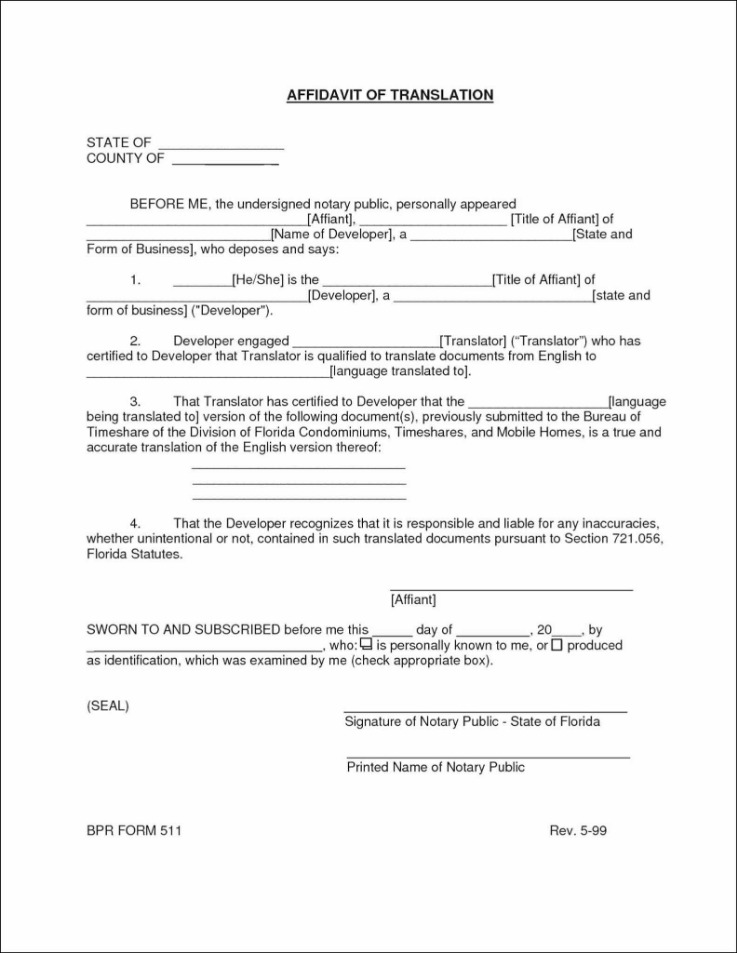
Fourth, prepare the FBI summary through the correct federal channel. Follow the current FBI instructions for requesting an identity history summary, review it for accuracy, and then route it for federal authentication if the destination country requires an apostille or legalization. Keep the document and authentication certificate together. Fifth, prepare civil documents through the correct state or local channel. For documents issued in California, verify the current California Secretary of State instructions for authentication before mailing. If the document originated in another state or country, route it through that jurisdiction’s process instead. Sixth, manage translations carefully. Use a translator accepted by the destination authority, keep a copy of the original and translation together, and confirm whether the translator’s certification must be notarized or authenticated. Do not let a translation become the only version of a record without preserving the original certification.
Common rejection reasons are usually preventable: photocopies submitted instead of certified copies, missing notary seals, expired documents, wrong authentication office, detached apostille certificates, inconsistent names, untranslated records, and packages sent without a cover letter or checklist. Before submitting, review every page for legibility, confirm that seals and signatures are visible, and match each document to the destination country’s list. Keep a complete set of scanned copies and use trackable delivery for originals. If the destination authority requests additional evidence, respond with a document that matches the name and date already in the file rather than creating a new inconsistency. Because dual citizenship applications can involve multiple countries and several issuing offices, the most reliable habit is to verify current requirements with the official authority at each stage, then build a calm, labeled, and complete paper trail before anything leaves your hands.