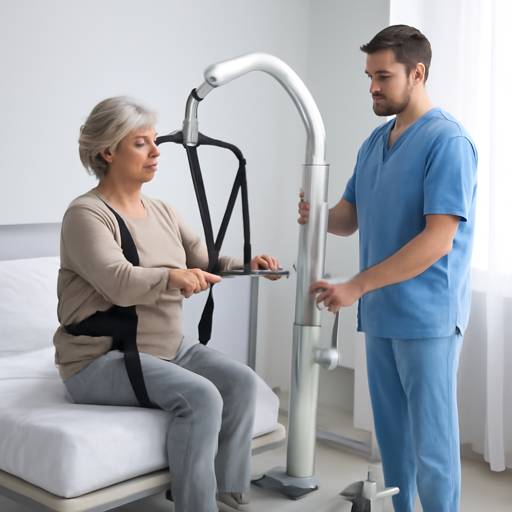
In the evolving landscape of patient care, the focus has shifted from simple immobility assistance to active rehabilitation and dignity preservation. The traditional method of manually lifting or pivoting a patient is no longer considered best practice, nor is it safe for the caregiver. This is where the mechanical advantage of a modern transfer device changes the game. A sit to stand lift is not merely a piece of equipment; it is a tool that respects the patient’s residual strength while eliminating the back-breaking strain on the healthcare worker. The market for these devices has expanded significantly as facilities recognize that the initial investment yields substantial returns in worker’s compensation claims, patient recovery times, and overall quality of care. When looking for a sit to stand lift for sale, one is essentially investing in a system that bridges the gap between total dependence and assisted independence. These devices are specifically engineered for patients who possess the cognitive ability to follow instructions and the lower body strength to bear weight, yet lack the stability or endurance to stand unassisted. The biomechanics are simple: a padded knee support stabilizes the lower body, a sling supports the upper back or trunk, and a gentle lift mechanism guides the patient from a seated position to a near-standing posture. This controlled motion does more than just transfer; it engages the patient’s core muscles, promoting circulation and preventing the muscle atrophy that comes with total bed rest. The decision to purchase should be driven by an understanding of the specific capacity, weight limits, and floor space available, ensuring the device serves its purpose for years to come without causing workflow disruptions.
Understanding the Biomechanical Advantage of Sit to Stand Lifts
The core function of a sit to stand lift lies in its ability to mimic and support a natural human movement pattern. Unlike a full-body sling lift, which takes the patient from a horizontal to a vertical position passively, the sit to stand lift requires active participation. This distinction is critical for both physical therapy outcomes and the psychological well-being of the patient. When a patient feels their own muscles engaging, even with partial support, it reinforces a sense of agency and capability. The device works by utilizing a stable base that slides under the bed or chair, positioning the patient's feet flat on a footplate. The knee pads are then adjusted to lock the lower legs in place, preventing the patient from sliding forward. As the lift arm rises, the patient is encouraged to pull themselves up using a set of ergonomic handles, effectively performing a controlled squat. This action strengthens the quadriceps, glutes, and core, which are essential for walking and preventing falls. For the caregiver, the biomechanical advantage is equally profound. Manual lifting of a patient who can bear even partial weight often leads to awkward twisting motions and sudden jerks, which are the primary causes of musculoskeletal injuries in nursing staff. A sit to stand lift eliminates these dangerous vectors. The caregiver’s role shifts from a physical lifter to a safety monitor and guide. They operate the handheld remote while maintaining visual contact, ensuring the patient is comfortable and the equipment is functioning correctly. This reduction in physical load cannot be overstated. Studies consistently show that facilities utilizing these lifts see a dramatic drop in lost workdays due to back injuries. Furthermore, the precision of the lift allows for transfers that are smoother and less jarring, reducing the risk of skin shear or bruising that can occur with manual handling. When evaluating a sit to stand lift for sale, one must consider the lifting range and the type of power source. Battery-operated units offer the freedom to move between rooms without outlet dependency, while hydraulic or pneumatic models might serve well in a dedicated therapy gym. The choice ultimately defines how seamlessly the equipment integrates into daily routines, making it a cornerstone of safe patient handling protocols.
The Financial and Operational Case for Upgrading to Modern Lifting Technology
Beyond the obvious clinical benefits, the decision to acquire a sit to stand lift carries significant financial implications that are often misunderstood. The upfront cost can seem daunting to small facilities or home care providers, but the total cost of ownership analysis usually favors the investment. The primary expense avoided is caregiver injury. The average cost of a single worker’s compensation claim for a back injury in healthcare can range from tens of thousands to over one hundred thousand dollars, factoring in medical treatment, rehabilitation, and lost productivity. By eliminating the need for manual pivot transfers, a facility can drastically reduce its risk profile. Moreover, the equipment itself is built for longevity. Commercial-grade frames, motors, and slings are designed to withstand hundreds of cycles per day over several years, provided they are properly maintained. This durability translates to a low cost per transfer, especially in high-volume environments like sub-acute rehab units or nursing homes. Operational efficiency is another major factor. A single caregiver can safely transfer a patient using a sit to stand lift, whereas a manual pivot transfer might require two or even three staff members, depending on the patient’s size and stability. This freed-up labor time can be redirected to other critical tasks, such as medication management, wound care, or patient rounding. For home health scenarios, the lift allows a spouse or adult child to provide care without risking their own physical health, thereby preventing the need for more expensive professional home health aide visits. The flexibility of these lifts also contributes to operational flow. Many modern models feature snap-on slings that can be left in place under the patient, ready for use at a moment’s notice. This reduces the setup time for every transfer, making the process more efficient for busy caregivers. When searching for a sit to stand lift for sale, buyers should look beyond the sticker price and evaluate the warranty, parts availability, and the manufacturer’s reputation. A lift that requires specialized technicians for repairs can create costly downtime. Leading options like the ones found at this resource often include robust service networks and readily available replacement slings and parts, ensuring that the equipment remains operational and compliant with safety standards. The operational case is clear: these lifts are not just medical devices; they are financial safeguards that protect the most valuable assets of any care organization—its staff and its patients.
Real-World Applications: How Sit to Stand Lifts are Reshaping Care in Diverse Facilities
The theoretical benefits of sit to stand lifts become vividly clear when examined through the lens of real-world implementation. Consider the case of a regional rehabilitation hospital in the Midwest that recently transitioned from a mix of manual transfers and outdated full-body lifts to a fleet of modern sit to stand units. Prior to the change, their incident reports showed a steady stream of staff shoulder injuries and patient falls during transfer attempts. The patients, many of whom were post-operative hip or knee replacements, often expressed fear and reluctance to stand, perceiving the process as painful and precarious. After purchasing and training staff on new sit to stand lifts, the facility reported a 72% reduction in staff injuries within the first six months. More surprisingly, patient length of stay decreased by an average of two days. Physical therapists attributed this to the active engagement required by the lift. Patients who were able to bear weight and participate in the transfer built standing tolerance faster, which directly translated to earlier gait training and discharge. Another powerful example comes from long-term care dementia units. While it is often assumed that patients with cognitive decline cannot use sit to stand lifts, skilled implementation shows otherwise. The key is the familiarity of the motion. A patient who has forgotten how to follow a two-step instruction may still respond to the physical cue of the knee pads and the handles. Caregivers in one facility discovered that by using a calm, repetitive verbal script along with the lift’s motion, they could cue patients to stand who had previously refused all attempts at manual transfer. This reduced episodes of aggression and resistance during care routines. For bariatric patients, the sit to stand lift offers a dignified solution that full-body slings sometimes lack. The open design of the lift avoids the claustrophobic feeling of a full body sling, and the weight capacity of many modern units extends to 500 pounds or more. A case study from a rehabilitation center specializing in weight management highlighted that patients felt more in control of their bodies when using a sit to stand lift, leading to increased participation in their own care. They were able to assist with sliding the sling into place and gripping the handles, turning a passive transfer into a collaborative effort. These examples underscore that the true value of a sit to stand lift for sale lies not just in its hardware, but in the improved outcomes it facilitates. Whether in a bustling acute care ward, a serene home care setting, or a specialized rehab gym, the device adapts to the patient’s needs rather than forcing the patient to adapt to the machine. It is a testament to how thoughtful engineering can preserve human dignity while simultaneously solving the logistical pain points of modern healthcare delivery. The potential for expanding independence is immense, making these lifts an indispensable component of any forward-thinking mobility program.